Nasi lemak means "rich rice" in Malay. The richness comes from coconut milk, which the rice is cooked in alongside pandan leaves. Most people order nasi lemak for the fried chicken wing or because they are hungry at 7am. Neither is wrong. But the sambal is the thing that separates a plate you remember from a plate you forget.
This guide covers the styles of nasi lemak you will find in Singapore, what each one gets right (and wrong), and why most Google reviews miss the point.
Anatomy of a plate
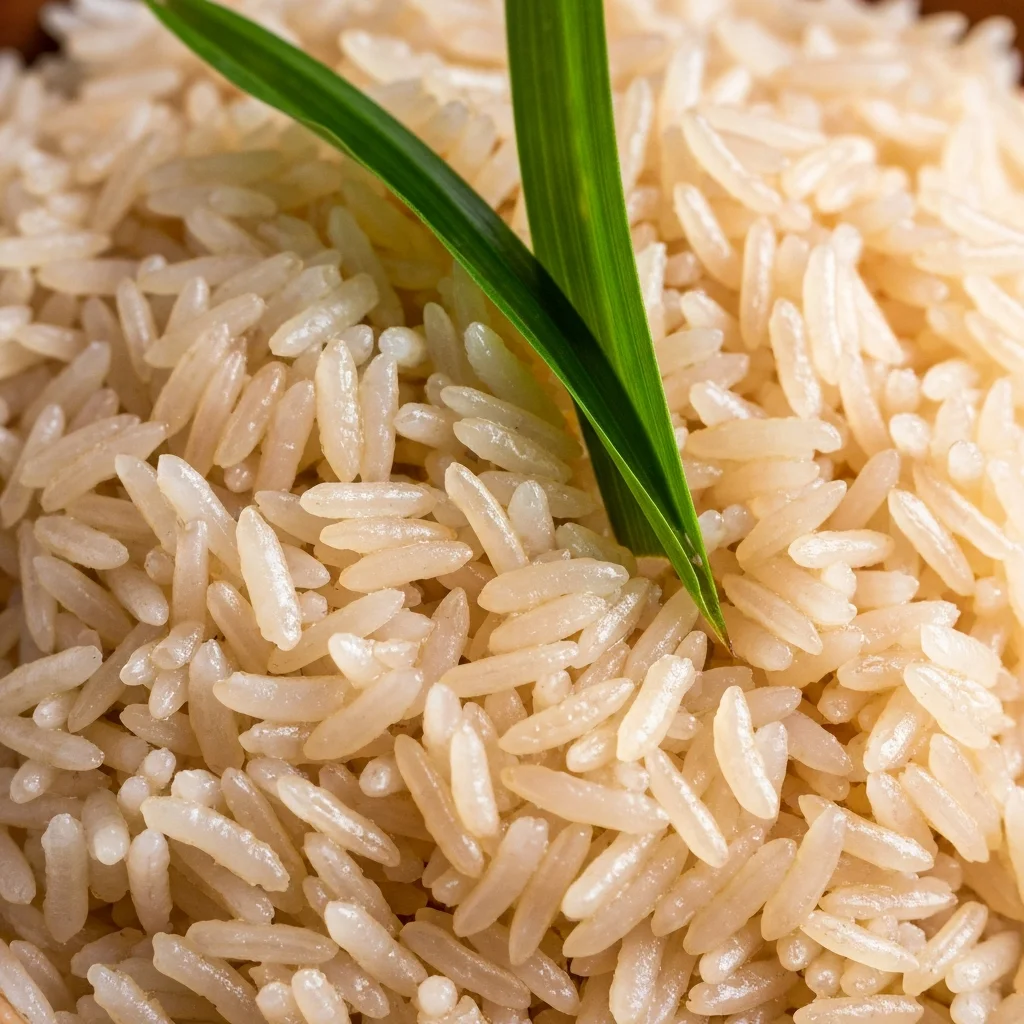
Every nasi lemak, no matter the style, starts with the same base:
Coconut rice. The rice is cooked in coconut milk with pandan leaf and sometimes a knot of lemongrass. When it is done well, you smell it before you see it. The grains should be fluffy and separate, with a faint sweetness from the coconut. Clumpy, wet rice means too much coconut milk or poor technique.
Sambal. This is where stalls live or die. A proper sambal is slow-cooked: dried chillies, belacan (shrimp paste), shallots, tamarind, sugar, and often dried shrimp or ikan bilis ground into the base. It should taste layered. Heat first, then sweetness, then a savoury depth that lingers. If all you taste is chilli and sugar, it was made in a hurry.
Ikan bilis and peanuts. Fried anchovies should snap when you bite them. If they are bendy, they are stale or under-fried. Peanuts should be crunchy, not soft. Together they add salt and crunch to every spoonful. Most people eat these without thinking about them, but bad ikan bilis drags down the whole plate.
Egg. Fried egg with lacy, crispy edges and a runny yolk is the best version. A lot of stalls serve hard-boiled or overcooked fried eggs because they are easier to prepare in bulk. You will rarely see a bad nasi lemak stall with a good egg. The egg is a tell.
Cucumber. Sliced thin as a palate cleanser. Nobody rates a stall on its cucumber, but stale cucumber says something about how the stall is run.
The 4 styles of Singapore nasi lemak
Traditional Malay
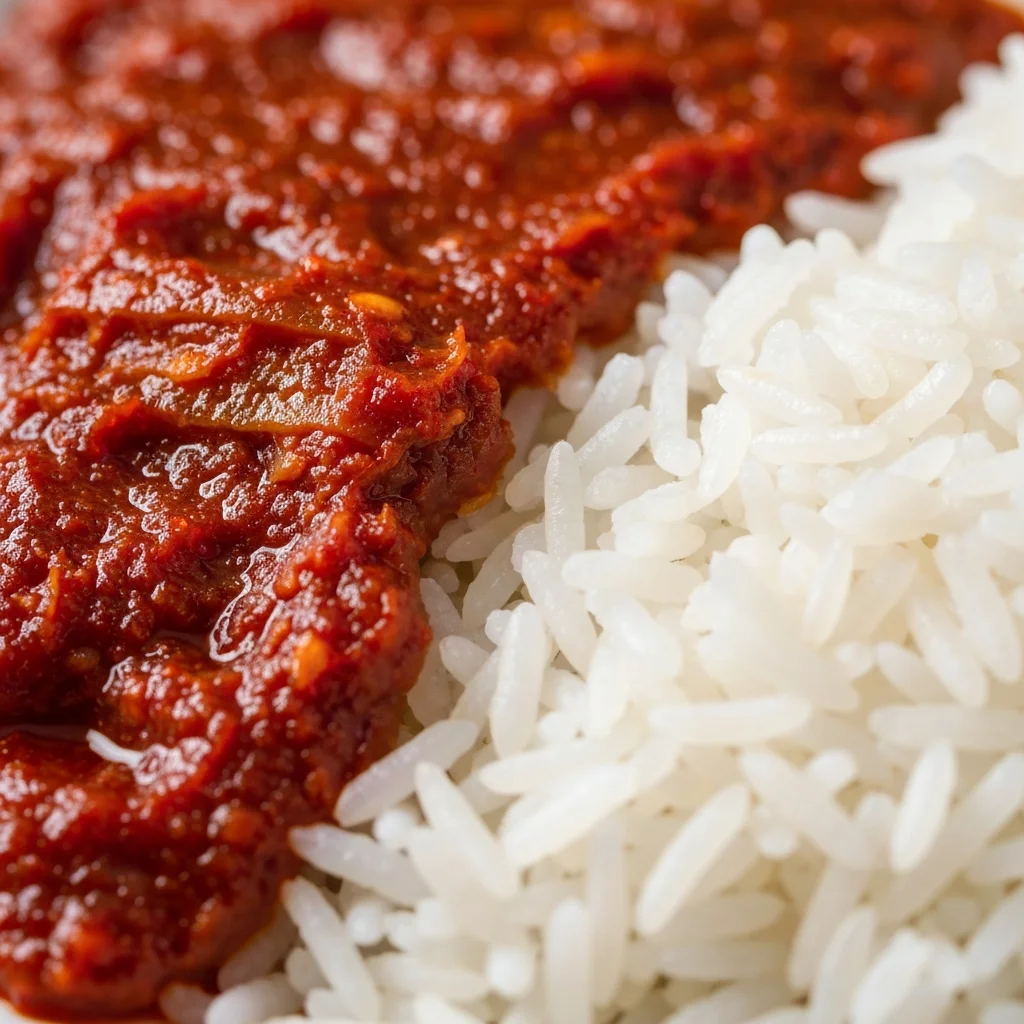
The sambal runs the show. This is nasi lemak the way it has been made for generations: coconut rice on a banana leaf, a generous mound of sambal, fried ikan bilis, peanuts, egg, and maybe a piece of ikan kuning (fried yellow-tail fish) or otah (grilled spiced fish paste in banana leaf).
The protein is a side character. What matters is the sambal's depth and the rice's fragrance. Many of the best traditional stalls open at dawn and sell from banana leaf packets. The leaf itself adds a grassy note to the rice.
How to tell it is good: The sambal should have visible layers of colour (from light to dark) and a complex taste that evolves as you chew. The rice should smell like coconut and pandan before your first bite. If the ikan bilis are crisp and the egg is fried properly, the stall cares about the details.
Top Traditional Malay Stalls
#2 Selera Rasa Nasi Lemak Adam Road Food Centre 87 #3 Hjh Maimunah 11 & 15 Jalan Pisang 87 #4 Boon Lay Power Nasi Lemak Boon Lay Place Food Village 85 #6 Mizzy Corner Nasi Lemak Changi Village Hawker Centre 83Chinese-style
The fried chicken wing takes over. Chinese-style nasi lemak is what you get from most non-Malay hawker stalls: a plate of coconut rice with a crispy fried chicken wing (or drumstick), egg, ikan bilis, and sambal on the side.
The sambal tends sweeter and milder than the Malay version. The chicken wing is the selling point, and stalls compete on how crispy, well-marinated, and generously sized their wings are. Portions are usually bigger. It is more of a meal than the traditional banana leaf packet.
How to tell it is good: The chicken wing should be crispy all over, not soggy underneath. The batter should be seasoned, not just flour. The sambal should still have personality, even if it is gentler. If the rice is just plain coconut rice with nothing special, the stall is relying entirely on the chicken wing, which is a red flag.
Top Chinese-Style Stalls
#5 Ponggol Nasi Lemak 371 Jalan Besar 83Nasi lemak kukus
Kukus means steamed. The rice is portioned into banana leaf parcels and steamed, which gives it a slightly stickier texture and infuses the banana leaf aroma directly into the rice. It smells different from regular nasi lemak and the rice holds together more, almost like onigiri.
This style is more common in Malay-Muslim stalls. The rest of the accompaniments are the same (sambal, ikan bilis, peanuts, egg), but the rice experience is distinct. People who grew up eating nasi lemak kukus tend to be loyal to it.
How to tell it is good: Unwrap the banana leaf and smell it. The aroma should hit you immediately. The rice should be slightly sticky but not mushy. If it falls apart like regular rice, the steaming process was not long enough to absorb the banana leaf flavour.
Premium / Modern
Restaurant and cafe versions. The rice might be the same, but the proteins get upgraded: beef rendang, ayam penyet (smashed fried chicken with sambal), grilled fish, or lamb shank. Presentation is plated rather than banana leaf. Prices are $8 to $15+.
At its best, this style uses better ingredients and more care. At its worst, it is regular nasi lemak at three times the price with a nicer plate. The sambal is still the litmus test. If a restaurant charges $12 and the sambal tastes like it came from a jar, the premium is not justified.
How to tell it is good: The sambal should be noticeably better than hawker stalls, not just different. The premium protein should be properly cooked on its own terms. Rendang that is dry and stringy is not worth the markup. The rice should still taste like nasi lemak, not just plain coconut rice.
Top Premium Nasi Lemak
#1 The Coconut Club 269 Beach Road 88Five dimensions, not one star rating
A Google review that says "good nasi lemak, 4 stars" tells you nothing. Was the sambal good? Was the rice fragrant? Were the ikan bilis fresh? You have no idea.
We score nasi lemak across five dimensions:
The soul of nasi lemak. Depth, heat, sweetness balance. Homemade vs generic. Should have layers of flavour, not just chilli and sugar.
Coconut milk and pandan fragrance. Should be aromatic before you take a bite. Fluffy, not clumpy. Each grain distinct.
Fried anchovies should be crisp, not soggy or stale. Peanuts should be crunchy. Together they add salt and texture to every mouthful.
Fried egg with crispy edges and runny yolk is the gold standard. Some stalls serve hard-boiled or overcooked. It matters more than people think.
Quality of the extras: fried chicken wing, otah, fish, curry. Are sides an afterthought or do they hold their own? Overall value for money.
Sambal gets the most weight (30%) because it is the dish. A stall with perfect sambal and mediocre sides is still worth visiting. A stall with perfect sides and mediocre sambal is just selling fried chicken with rice. Coconut rice is second (25%) because that is what makes it nasi lemak and not just rice with chilli. Sides and value (20%) matter because hawker food is about the full package. Ikan bilis (15%) and egg (10%) round it out.
Why your Google review might be wrong
Four things we see constantly in nasi lemak reviews:
- "The sambal was too spicy." Sambal is a chilli-based condiment. Heat is the point. If you want mild, ask for less sambal. Docking a stall because the sambal does its job is like complaining that coffee is bitter.
- "Not enough chicken." Traditional Malay nasi lemak does not revolve around chicken. The sambal, rice, and ikan bilis are the meal. If you want chicken-forward, order Chinese-style. Do not rate a traditional stall for not being something it never claimed to be.
- "The rice tastes like coconut." Yes. Nasi lemak literally means "rich rice." The coconut milk is the defining ingredient. This is like rating a burger for tasting like beef.
- "Too oily." Coconut milk is fatty. That is the lemak in nasi lemak. The rice should be rich, not greasy, but some oil is inherent to the dish. Bone-dry nasi lemak rice is under-coconutted rice.
Frequently asked questions
Is nasi lemak a breakfast food?
Traditionally, yes. It started as a Malay breakfast, sold from roadside stalls in banana leaf packets before dawn. In modern Singapore, it is eaten at all hours. Many popular nasi lemak stalls open early and run through to late night.
What does lemak mean?
Lemak means rich or fatty in Malay. It refers to the coconut milk used to cook the rice. The name literally translates to "rich rice" or "fatty rice." It is not a negative. It is descriptive.
What is the difference between Malay and Chinese-style nasi lemak?
Traditional Malay nasi lemak is sambal-forward. Banana leaf, fried fish, otah. The sambal does the heavy lifting. Chinese-style puts a fried chicken wing or drumstick at centre stage, with a sweeter and milder sambal. Both are legitimate. Different priorities.
Why do some stalls wrap nasi lemak in banana leaf?
Banana leaf adds a subtle grassy aroma to the rice as it steams inside the parcel. It also keeps the rice moist and warm. Nasi lemak kukus uses the leaf as part of the cooking process itself, not just for wrapping.
Is nasi lemak unhealthy?
A basic packet (rice, sambal, ikan bilis, peanut, egg) runs around 400 to 500 calories. Adding a fried chicken wing pushes it past 600. It is not health food, but it is not dramatically worse than most hawker meals. The coconut milk adds saturated fat to the rice. Eating it once or twice a week is standard for most Singaporeans.
Can I get nasi lemak without sambal?
You can ask, but you are ordering coconut rice with toppings. The sambal is what makes it nasi lemak. Most stalls will give you less sambal if you ask. Some diners mix all the sambal into the rice. Others take it a spoonful at a time. There is no wrong way.